

Introduction
The exterior design of a property greatly influences its overall appeal and functionality. One element that often goes unnoticed but plays a crucial role in both aesthetics and functionality is the choice of steps. Traditional concrete or natural stone steps have long been the go-to option for homeowners and architects alike. However, in recent years, a new trend has emerged – the use of cultured stone steps.
Cultured stone steps are an innovative alternative to traditional materials, offering a wide range of benefits for homeowners and designers. This article will explore the advantages of using cultured stone steps, the different types available, installation techniques, and maintenance tips.
1. Understanding Cultured Stone Steps
1.1 What are Cultured Stone Steps?
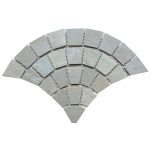
Cultured stone steps are man-made, concrete-based products that closely resemble natural stone. Also known as manufactured stone or faux stone, these steps are designed to mimic the appearance and texture of various natural stones, such as limestone, slate, or granite. mosaic tile for sale are created by combining lightweight concrete with pigments, additives, and molds.
1.2 Advantages of Cultured Stone Steps
Cultured stone steps offer several advantages over traditional materials:
1.2.1 Aesthetics: Cultured stone steps provide the authentic look and feel of natural stone while offering a wider range of colors, patterns, and textures. They can be customized to match any architectural style or design preference.
1.2.2 Cost-effective: Compared to natural stone, cultured stone steps are more affordable while maintaining a high-quality appearance. They offer a cost-effective alternative for homeowners with budget constraints.
1.2.3 Durability: Manufactured stone steps are engineered to withstand extreme weather conditions, such as freeze-thaw cycles, heat, and UV exposure. They are less prone to cracking, chipping, or fading, ensuring long-lasting beauty and functionality.
1.2.4 Lightweight: Cultured stone steps are significantly lighter than natural stone, making them easier to handle during installation. This characteristic also reduces the load on the foundation and minimizes the chances of structural damage.
1.2.5 Versatility: With a wide variety of shapes, sizes, and finishes available, cultured stone steps can be used in various landscaping applications, including staircases, patio areas, retaining walls, and garden pathways.
2. Types of Cultured Stone Steps
2.1 Cast Stone Steps
Cast stone steps are made by pouring a mixture of concrete, pigments, and fillers into molds. This type of cultured stone step closely resembles natural stone in appearance and texture. Cast stone steps are highly customizable, allowing homeowners to achieve the desired aesthetic while maintaining the benefits of manufactured stone.
2.2 Concrete Paver Steps
Concrete paver steps are another popular option in the world of cultured stone. They are created by pressing concrete into molds that mimic the texture and appearance of various natural stones. Concrete paver steps offer a more uniform and consistent look, making them ideal for contemporary or modern architectural styles.
2.3 Veneer Stone Steps
Veneer stone steps are manufactured by applying a thin layer of cultured stone to an existing concrete or metal step structure. This type of cultured stone step is commonly used in renovation or remodeling projects, providing a cost-effective solution to update the look of worn-out steps.
3. Installation Techniques
3.1 Preparing the Site
Before installing cultured stone steps, it is essential to prepare the site properly. This entails measuring and planning the dimensions of the steps, ensuring proper drainage, and leveling the ground surface. Excavation may be necessary to create a stable and level base for the steps.
3.2 Base Construction
Cultured stone steps require a solid foundation to ensure longevity and stability. Depending on the soil conditions and desired height, the base construction may involve compacted gravel, concrete footings, or a combination of both.
3.3 Step Installation
The installation process for cultured stone steps varies depending on the type and design chosen. Cast stone steps and concrete paver steps are often placed individually, using mortar or adhesive, ensuring proper alignment and stability. Veneer stone steps are applied to the existing step structure using mortar or a specialized adhesive.
4. Maintenance and Care
4.1 Cleaning Cultured Stone Steps
Regular cleaning is essential to maintain the appearance and longevity of cultured stone steps. They can be cleaned using a mild detergent and water solution, along with a soft bristle brush. Avoid using harsh chemicals or power washing, as they may damage the surface.
4.2 Sealing Cultured Stone Steps
Applying a sealant to cultured stone steps can help protect them from stains, moisture penetration, and color fading. A high-quality stone sealer should be used, following the manufacturer's instructions for application and reapplication.
4.3 Repairing Damaged Steps
In the event of damage, such as chipping or cracking, cultured stone steps can be repaired using specialized repair kits or professional assistance. It's important to address any damages promptly to prevent further deterioration.
Conclusion
Cultured stone steps offer homeowners and designers a versatile, cost-effective, and aesthetically pleasing alternative to traditional materials. With their durability, customization options, and easy installation process, these steps have become increasingly popular in various landscaping applications. By understanding the advantages, types, installation techniques, and maintenance tips outlined in this article, homeowners can confidently enhance the aesthetics and functionality of their property with cultured stone steps.